Data Centres Face Increased Regulation and Environmental Challenges
As the data centre industry navigates 2023, it faces the critical challenges of increased regulation and environmental responsibility. However, it also embraces the opportunities brought about by standardization, prefabrication, and innovative technologies. By addressing these trends and collaborating with expert infrastructure solutions providers, data centre operators can steer the industry towards sustainability and efficiency, ensuring a promising and transformative future for the data centre landscape.
Rising Energy and Water Consumption:
The relentless growth in data centre applications and the demand for compute and storage capabilities have led to a corresponding surge in energy and water consumption. Acknowledging the need for energy and water efficiency, the data centre industry has understood that sustainability is key to its future success. As a result, there is an increased focus on addressing the environmental impact of data centres through regulatory measures and innovations.
Mounting Pressure for Environmental Responsibility:
Data centres currently account for up to 3% of global electricity consumption, and projections indicate that this figure could rise to 4% by 2030. This mounting consumption has triggered greater governmental scrutiny, leading to increased regulation. Governments at all levels are taking a harder look at data centres and their outsized consumption of resources. For instance, Dublin, Ireland, and Singapore have already taken steps to control data centre energy use. This trend is expected to continue throughout 2023.
Data Centre Water Consumption:
Apart from energy consumption, water usage by data centres is also coming under scrutiny, particularly in regions vulnerable to drought. Data centres utilizing evaporative cooling systems can consume a staggering 3-5 million gallons of water per day. This water consumption has raised environmental concerns, and the industry is taking steps to self-monitor and adopt environmentally-friendly thermal designs. However, this year will witness an increase in regulatory oversight on water consumption.
Shift towards Prefabricated Data Centres:
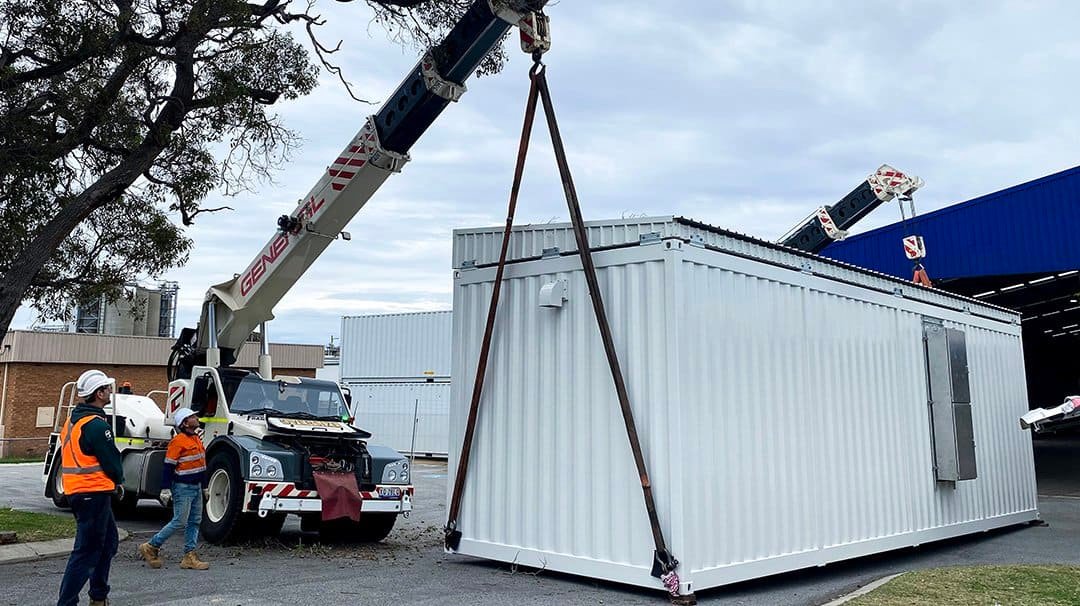
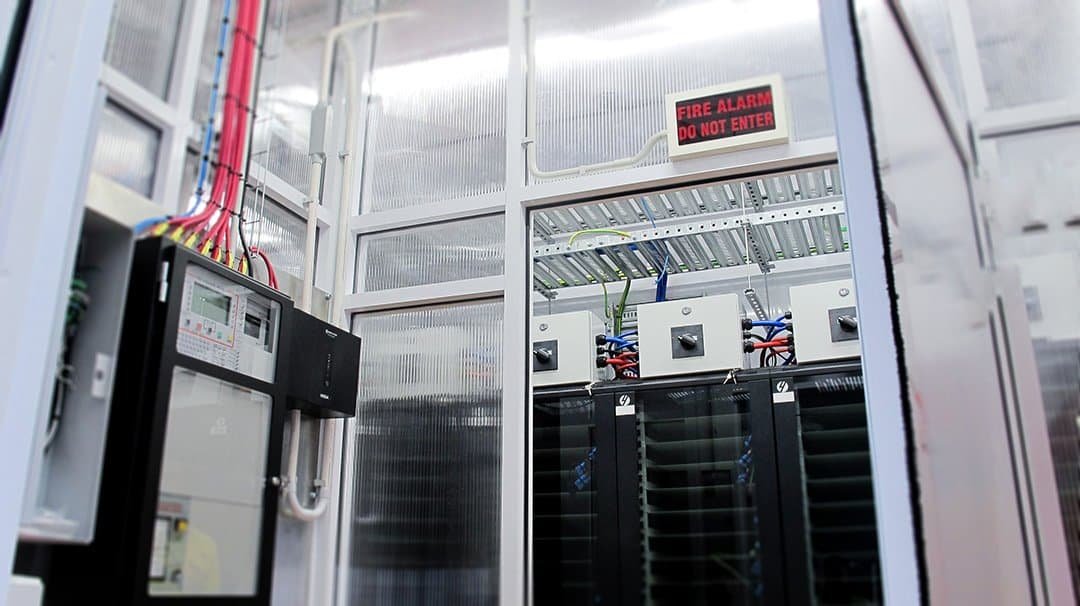
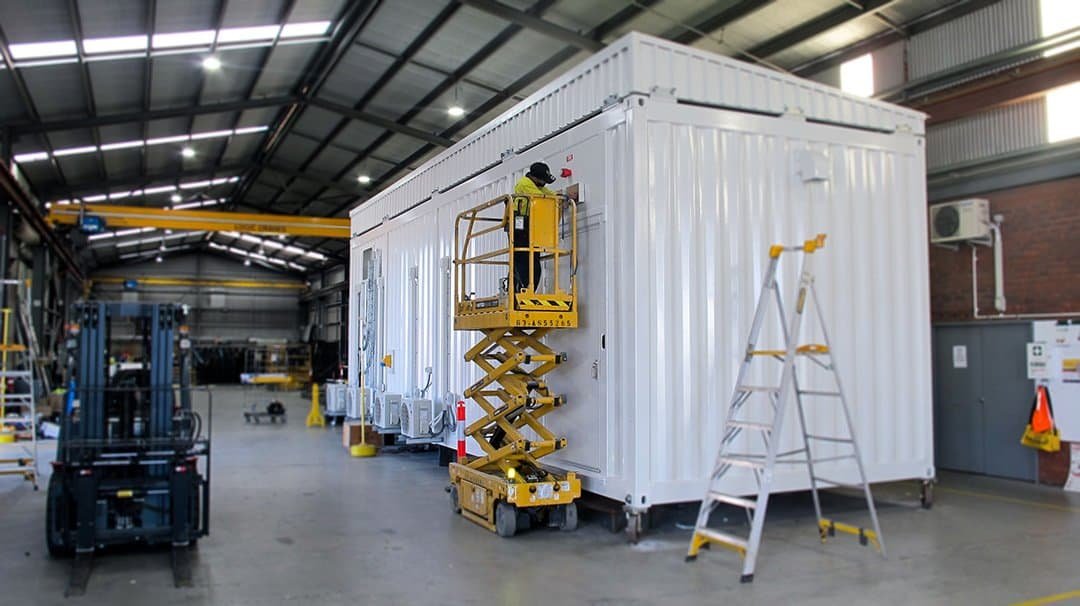
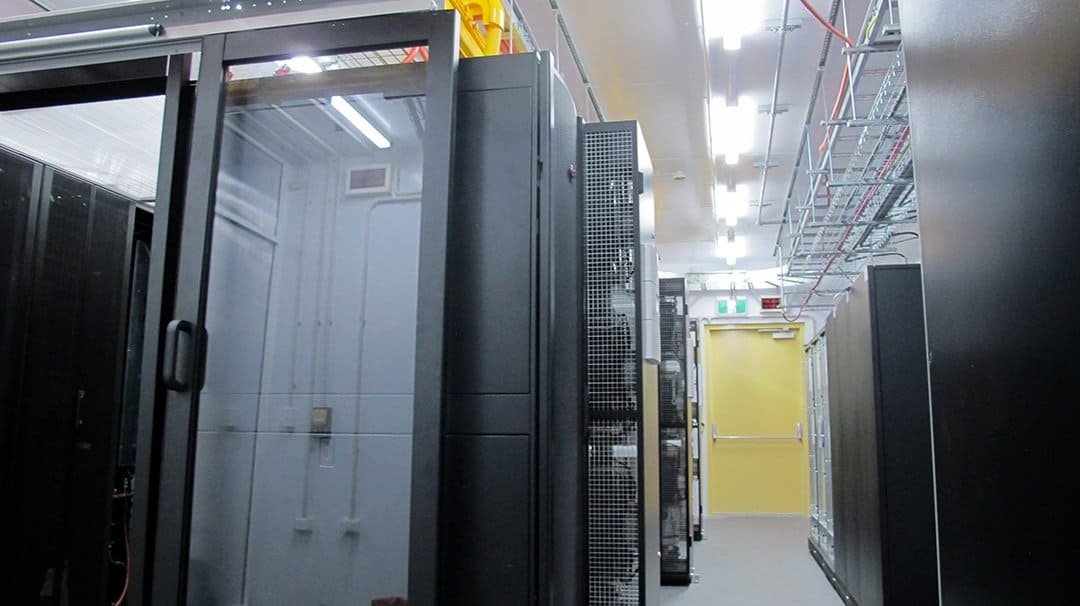
A notable trend in the data centre industry is the increasing adoption of prefabricated, modular data centre designs. A recent survey indicates that 99% of enterprise data centre operators plan to incorporate prefabricated designs into their future data centre strategies. This shift is not limited to enterprises, as hyperscalers are also embracing the trend. They are turning to colocation providers with expertise in standardisation and prefabrication to achieve speed and efficiency gains in their data centre deployments. Prefabricated data centres offer rapid deployment, scalability, and optimized power and cooling systems, making them an attractive solution for the industry’s challenges.
Transitioning from Diesel Generators:
Diesel generators have been a longstanding but imperfect solution for data centre backup power. They generate carbon emissions and remain mostly unused, necessitating regular maintenance and fuel replacement. In the search for alternatives, data centre operators are exploring hydrogen fuel cells for backup power. Hydrogen fuel cells provide momentary load support and hold the promise of reduced carbon emissions. Throughout 2023, the industry will explore these alternatives, aiming to minimize reliance on diesel generators.
Higher Rack Densities and Liquid Cooling:
Data centre operators are experiencing a shift towards higher rack densities due to the adoption of liquid-cooled server technologies. Rapid capacity expansion demands innovative solutions, including adding computing in tight spaces and increasing rack densities. Successful liquid cooling deployments have provided proof of concept for high-density environments, paving the way for wider adoption in the coming year.
5G and the Metaverse at the Edge:
The rise of 5G subscriptions is bringing computing closer to users, intersecting with the metaverse’s application demands. To support the metaverse at the edge, ultra-dense, low-latency computing networks are required. This will lead to infrastructure advancements, such as artificial intelligence, virtual reality planning, and lithium-ion UPS systems. Throughout 2023, the industry will witness exciting developments as 5G and the metaverse converge at the edge.
Ready to transform your data centre infrastructure?
Discover the range of benefits DXN Limited’s prefabricated data centre solutions offer! Don’t miss out on the flexibility, scalability, and cost-effectiveness they provide. Embrace the future of efficient and agile IT environments.