

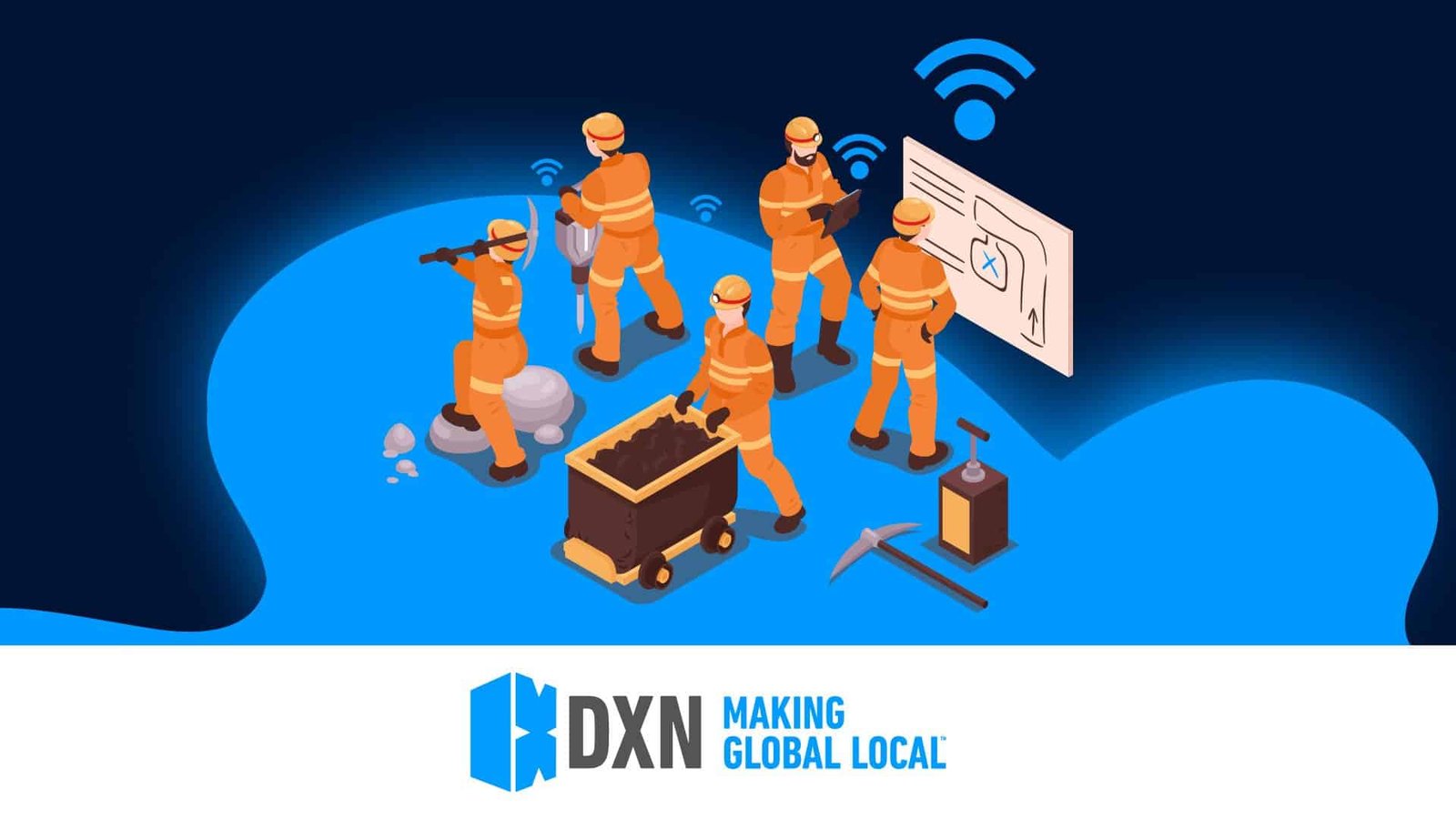
Australia is a global mining powerhouse, with vast mineral resources that are critical to the world’s economy. The mining industry in Australia has been instrumental in driving economic growth, creating jobs, and contributing to the country’s overall prosperity.
In recent years, there has been increasing interest in the development of edge computing infrastructure to support mining operations. Edge computing refers to the practice of processing data at the edge of the network, closer to where the data is generated, rather than transmitting it to a central data centre.
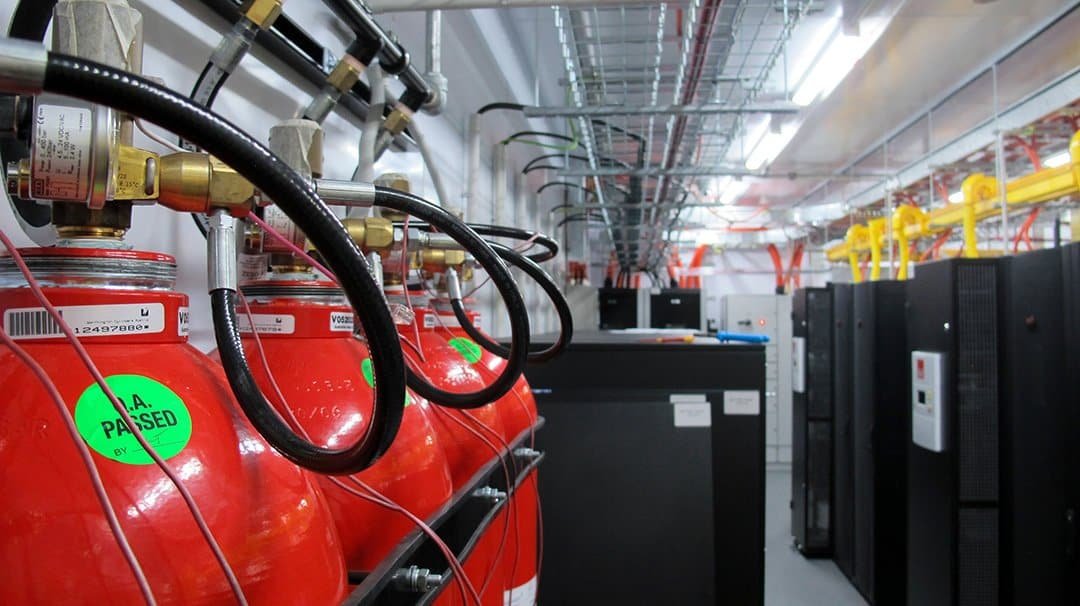
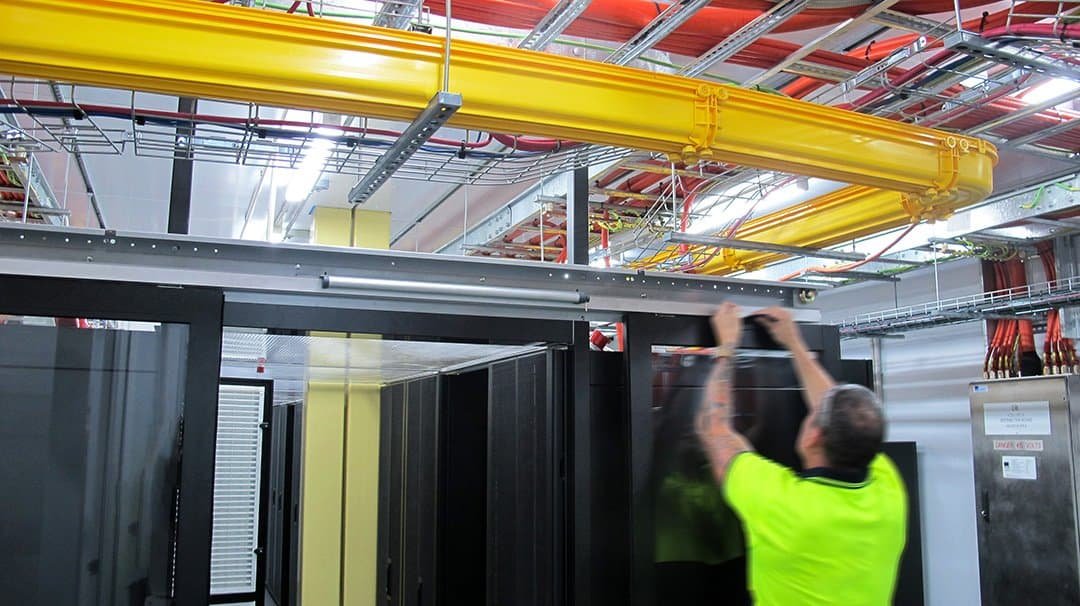
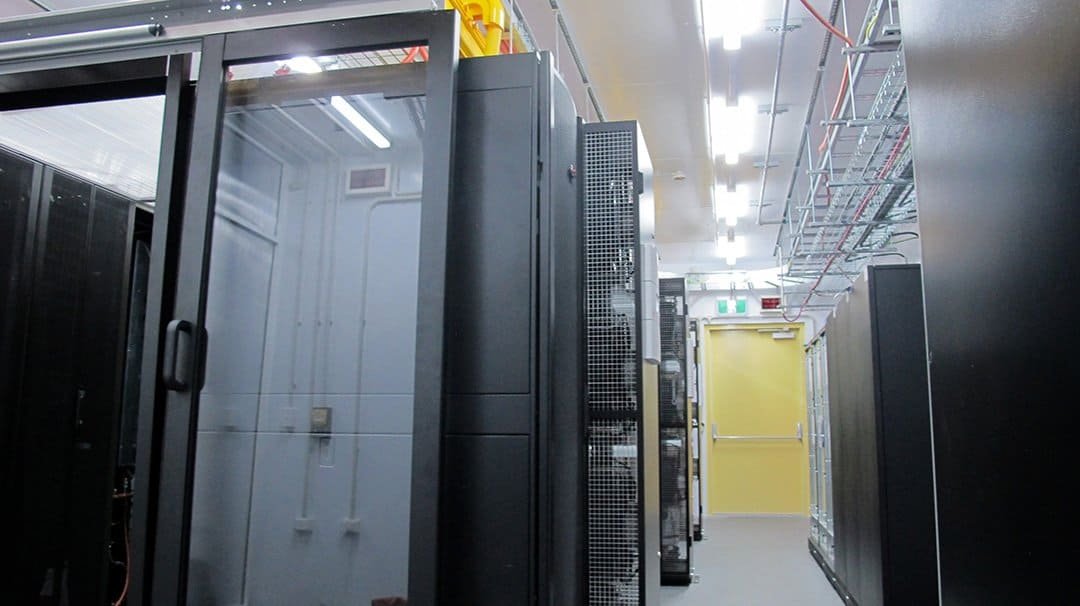
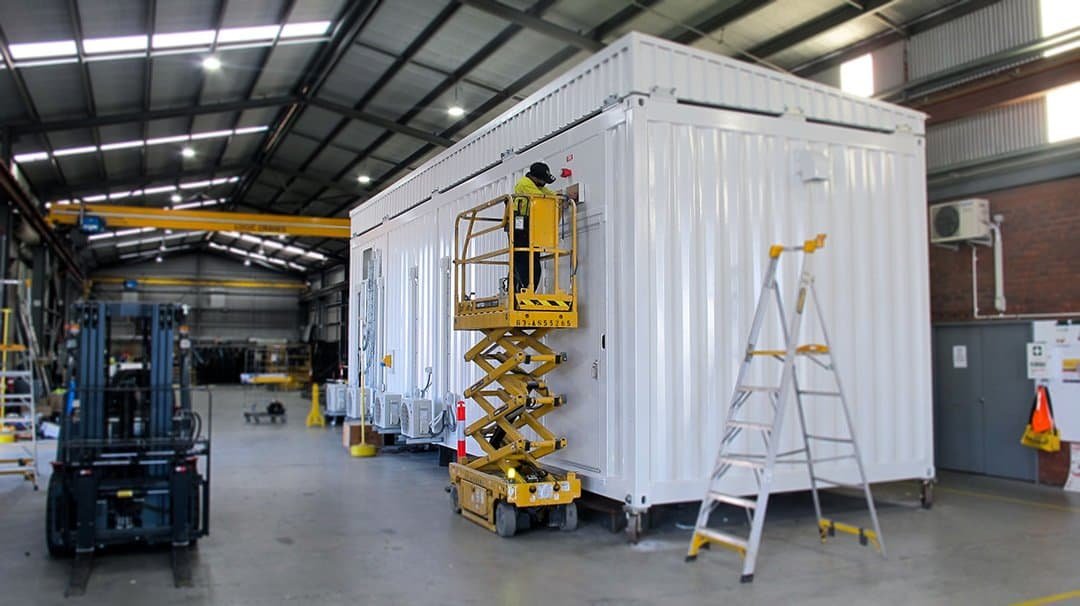
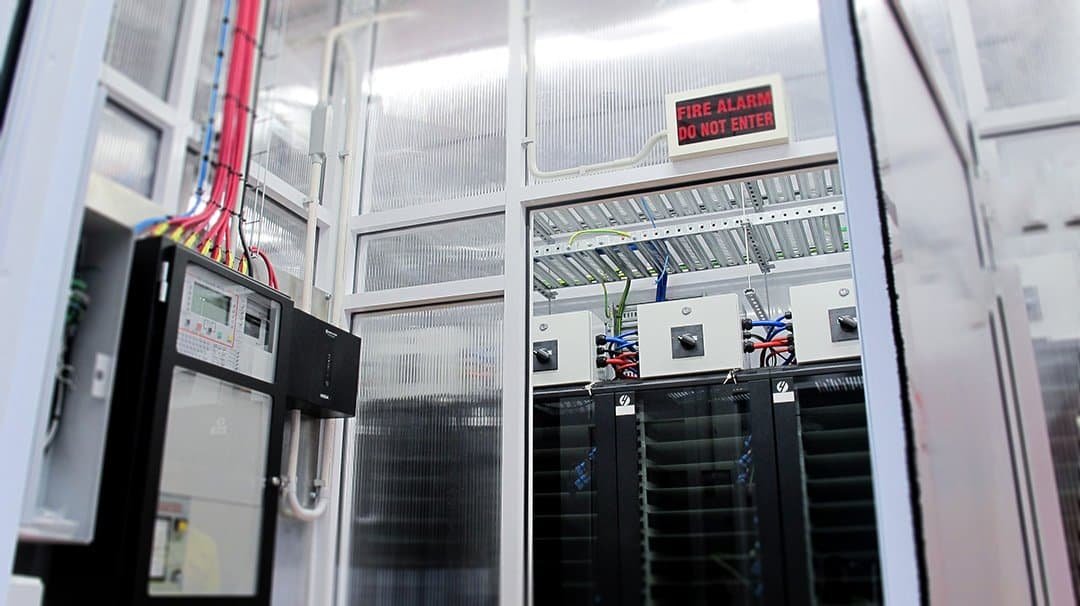
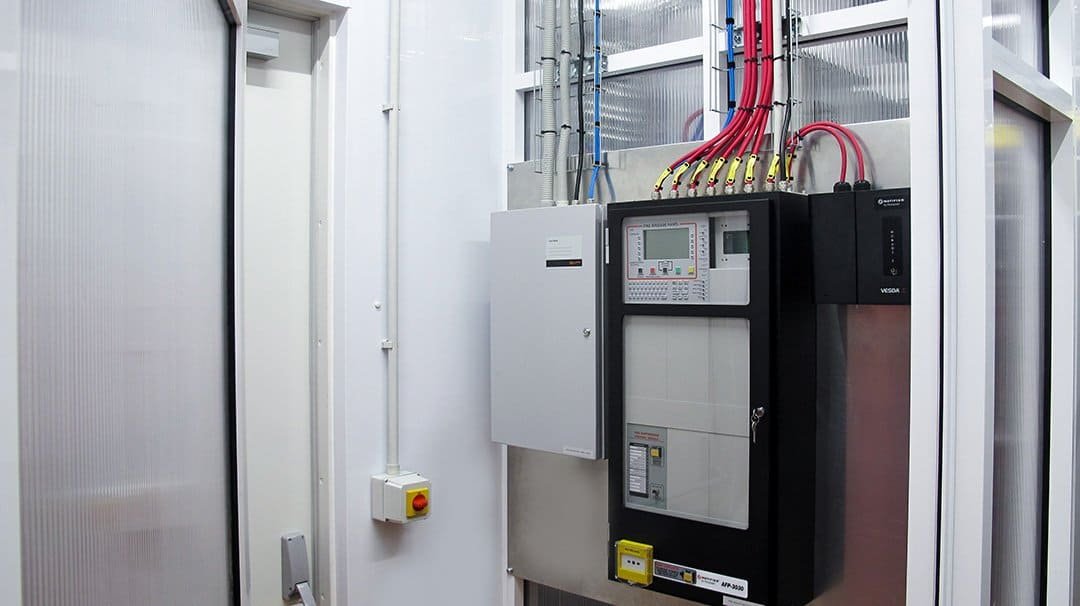
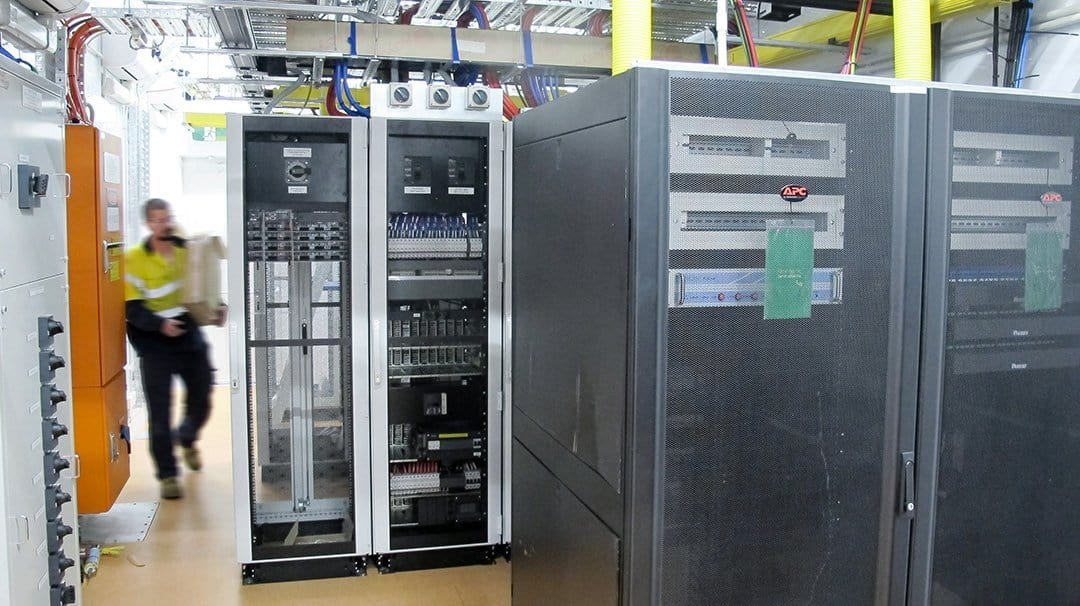
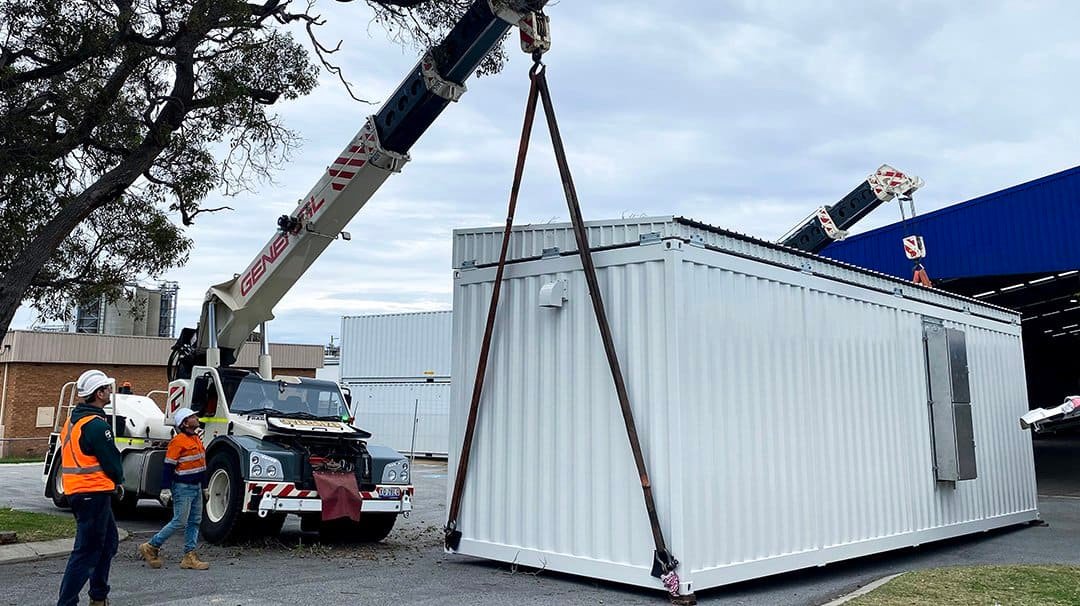
For the mining industry, edge computing can provide significant benefits, such as faster data processing and analysis, reduced latency, improved reliability, and enhanced security. By processing data locally, mining companies can make faster and more informed decisions, improving operational efficiency and reducing costs.
One of the main drivers of edge computing adoption in the mining industry is the growing use of autonomous technologies, such as autonomous haulage systems (AHS). AHS use sensors and cameras to collect data on the environment and the trucks, which is then processed locally using edge computing technology to enable the trucks to operate autonomously.
Rio Tinto, one of the world’s largest mining companies, has been at the forefront of this trend, deploying autonomous haulage systems in its iron ore mines in the Pilbara region of Western Australia. By using edge computing technology to process data in real-time, Rio Tinto has been able to improve operational efficiency and reduce costs while ensuring the safety of its workers.
Other mining companies in Australia, such as BHP and Fortescue Metals Group, have also been investing in edge computing infrastructure to support their operations. These investments include the deployment of advanced sensors, machine learning algorithms, and edge computing platforms to improve efficiency and reduce costs.
The development of edge computing infrastructure is also playing a critical role in improving sustainability in the mining industry. By using real-time data analysis, mining companies can identify opportunities to reduce waste, optimize production, and minimize their environmental impact.
For example, Rio Tinto has been using edge computing technology to optimize its water usage in its Pilbara operations, reducing water consumption by over 50%. By optimizing its use of resources, Rio Tinto has been able to reduce its environmental footprint while improving operational efficiency.
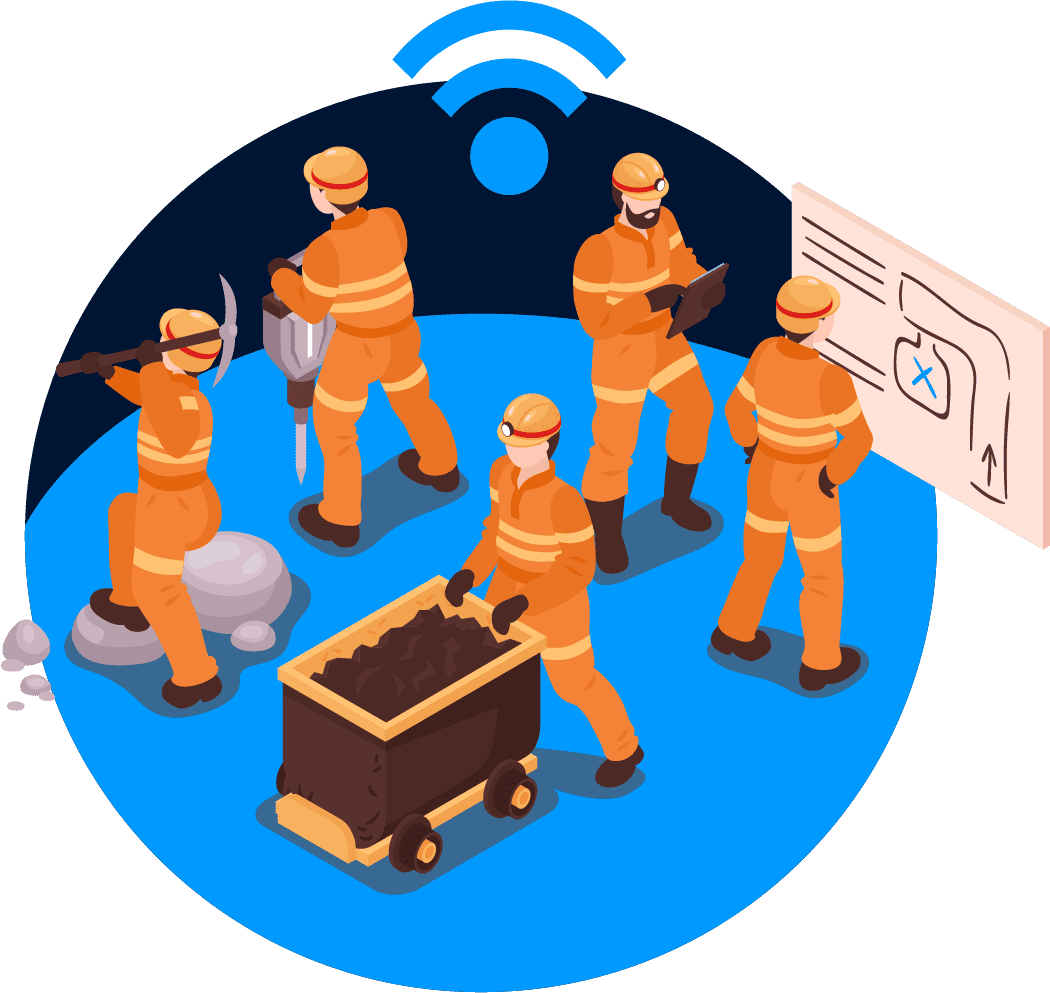
The development of edge computing infrastructure is transforming the mining industry in Australia, providing significant benefits in terms of efficiency, cost savings, and sustainability. As the industry continues to adopt autonomous technologies and embrace digital transformation, edge computing will become an increasingly important tool for driving innovation and growth. Mining companies that invest in edge computing infrastructure now will be well-positioned to gain a competitive advantage in the years to come.
Ready to transform your mining operations with our prefabricated Edge Data Center solutions?
DXN Limited offer a selection of customised prefabricated data centre designs that can be tailored to meet your mining requirements. Our team of infrastructure specialists are ready to assist you throughout your journey to the edge. Contact us today to learn more.
